A useful walking shoe is one you can wear comfortably for the walking you actually do. Start with your feet and your route, then consider appearance and price. A style described as “supportive” or “for women over 50” is not a substitute for a good fit.
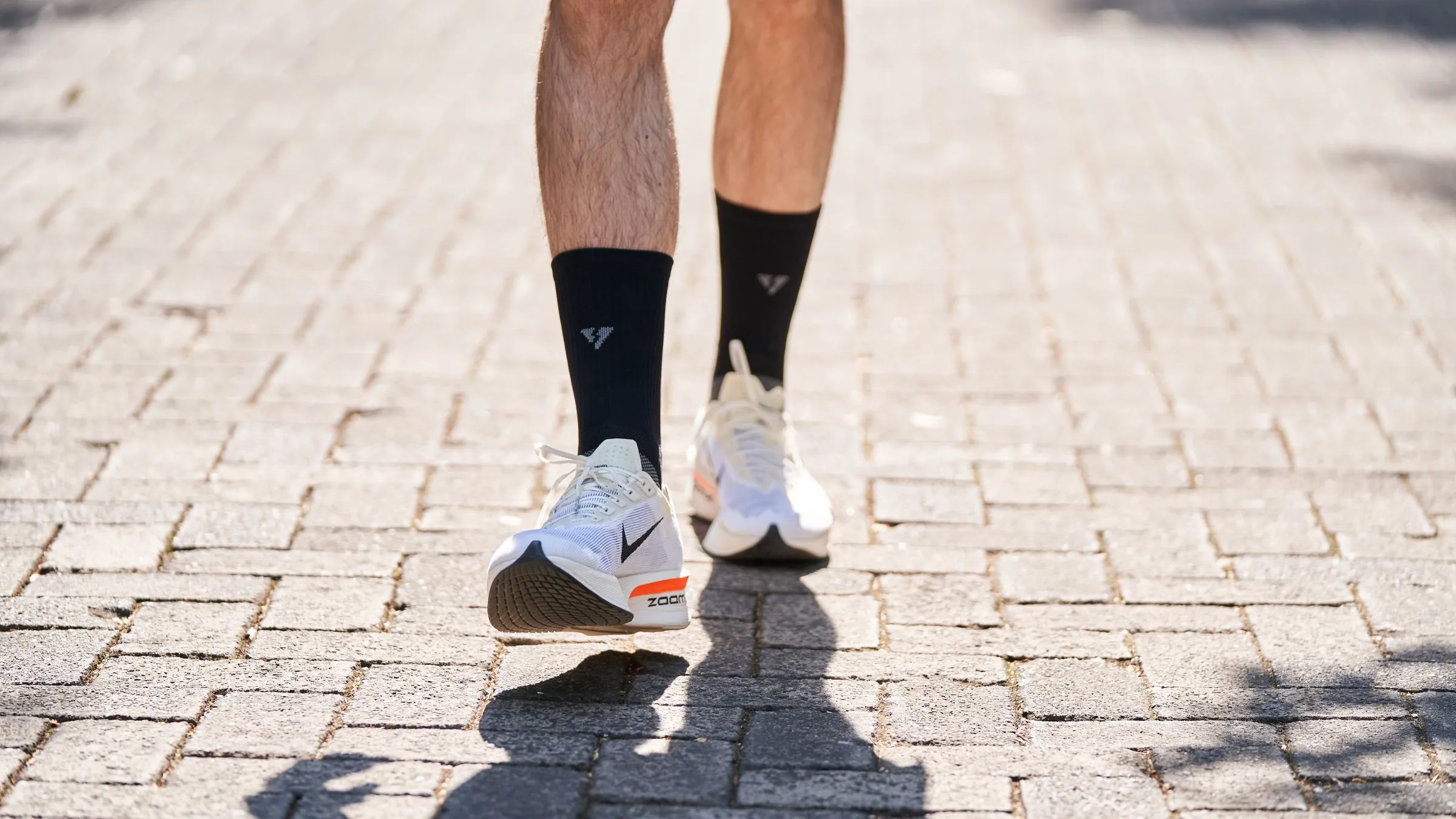
Our advice here is about the shopping process. We have not wear-tested or ranked shoes, and we are not prescribing footwear for pain, balance problems, or a medical condition. The shoes in the photograph are illustrative, not a recommendation.
Describe the job before visiting the store
There is a difference between buying for a morning neighborhood walk, long days visiting museums, and paths with uneven ground. Write down where you expect to walk, what you normally wear with your shoes, and what bothers you about your current pair.
Be specific about the last point. Is the shoe difficult to fasten? Does the heel slip? Do your toes feel crowded? Do you dislike the way it looks with your trousers? These are useful observations to take to a fitting. They are not a diagnosis.
If your present shoes are comfortable and in good condition, there is no need to replace them just because a new season’s collection has arrived. If something has changed in your comfort or walking, investigate the change rather than assuming a more expensive shoe will solve it.
Let fit outrank the number on the box
The American Podiatric Medical Association’s shoe-selection guidance recommends seeking help at a specialist athletic-footwear store, fitting to the larger foot, and choosing shoes that are comfortable from the outset rather than expecting a break-in period to fix the fit. It also notes that sizing can vary between brands.
That supports a straightforward shopping rule: use your usual size as a place to begin, not a number you must defend. Ask about width options as well as length. Try both shoes and tell the fitter exactly what you feel instead of accepting a confident “that model runs true to size” as the end of the conversation.
Bring the socks you intend to wear. If you already use prescribed inserts, bring them and follow your clinician’s advice about footwear. Do not buy a new insert simply because a sales display suggests everyone needs one.
Give yourself a practical try-on checklist
Use these questions to organize your observations, not to diagnose a foot problem:
- Can you fasten and unfasten the shoes comfortably?
- Does anything press, rub, or feel crowded when you stand and walk?
- Does your heel stay comfortably in place, or do you feel yourself adjusting your stride to keep the shoe on?
- Can you walk naturally without thinking about the shoes at every step?
- Would you be happy to wear this pair with your usual walking clothes?
If you are deciding between two pairs, try each with the same socks and walk around the same permitted area. Do not let a softer first impression or a familiar logo decide before you have considered the whole fit.
Read the return rules before taking them outside
Find out whether the retailer permits indoor try-ons, outdoor wear, or a genuine trial period. Those are not interchangeable. Check the deadline, required packaging, return-shipping cost, and whether sale items have different conditions.
An excellent-looking return policy is useful only if it covers the way you plan to evaluate the shoes. Keep a copy of the terms and your receipt. If the retailer allows only unworn returns, do not assume a walk around the block will qualify.
For an upcoming trip, leave enough time to make a considered choice rather than buying in a last-minute hurry. Our carry-on guide can help with the rest of the packing decision, but footwear you are unsure about should not earn a place in the bag merely because it packs neatly.
Spend for a better match, not a health promise
We would consider paying more for a fit and fastening system you prefer, useful size and width choices, and a purchasing policy that lets you assess the pair appropriately. We would not treat an unverified medical claim as a reason to upgrade.
Persistent pain, numbness, skin injury, or a change in balance needs appropriate professional attention, not an online shoe ranking. The goal of this guide is narrower: to make the purchase process more deliberate, so you leave with fewer unanswered questions.
Source checked November 2, 2026. General shopping information; no medical review or individual treatment advice is claimed. No affiliate links or sponsored recommendations.