Premium economy is worth considering when the actual seat and extra space would meaningfully improve a long flight, and the fare difference feels reasonable within your trip budget. It is less compelling when the upgrade mainly buys benefits you already have or changes a short segment you do not particularly mind.
Start with the part of the journey you want to improve. More room during an overnight flight, a better position for reading, and a less crowded feeling are distinct preferences. Identify yours before assigning value to an amenity kit or a different meal.
Check the cabin on your exact flight
Airlines use different product names, and similarly named fares can have different rules. Distinguish a separate premium-economy cabin from an extra-legroom seat in ordinary economy. Then inspect the aircraft and seat map for the departure you are booking.
As one example, Delta’s Premium Select information describes a wider seat and additional recline, while noting that configurations and some features vary by aircraft. Its listed fare options also differ in conditions such as seat selection and changes. This is an airline example, not a review of a flight we took or a promise about every route.
Compare the specific seat you can select. An upgraded cabin with an unwanted middle seat may be less appealing to you than a well-chosen alternative. Check recline, foot or leg support, proximity to facilities, and any restrictions shown for the row. Aircraft substitutions can occur, so the booking description should not be treated as a personal guarantee of an unchanging seat.
Put the price difference beside the hours
Use the total fare difference for the relevant passengers and segments. If a hypothetical upgrade costs $300 more for a ten-hour flight, that is $30 per flight hour. This is a planning illustration, not a quoted fare or a rule about what you should spend.
Now ask what that $300 would otherwise buy within this trip. Perhaps the seat matters more to you than a hotel upgrade. Perhaps the hotel would improve several nights while the cabin change affects only one flight. Either can be a sensible choice.
For a round trip, compare each direction if the booking permits it. Your priorities may differ between an overnight outbound journey and a daytime return. Do not assume that purchasing the higher cabin everywhere is the only coherent option.
Read the fare, not only the seat description
Check baggage, seat-selection charges, change and cancellation conditions, and whether the upgrade applies to every flight in the itinerary. A connection operated by another carrier deserves its own review.
Do not assume lounge access comes with premium economy. Delta’s example, for instance, identifies lounge access as requiring the relevant credentials. If that is part of what you value, verify eligibility separately. Our lounge-membership guide explains how to assess access around your actual travel pattern.
Meals and service can contribute to enjoyment, but we would give the most weight to the physical seat and fare flexibility you can verify. We would not book on a promise of guaranteed sleep or arrival without fatigue.
The alternative worth comparing
A suitable economy seat, a more convenient departure, or a nonstop itinerary may solve your main frustration at a different price. Compare those options before treating the cabin upgrade as the only improvement available.
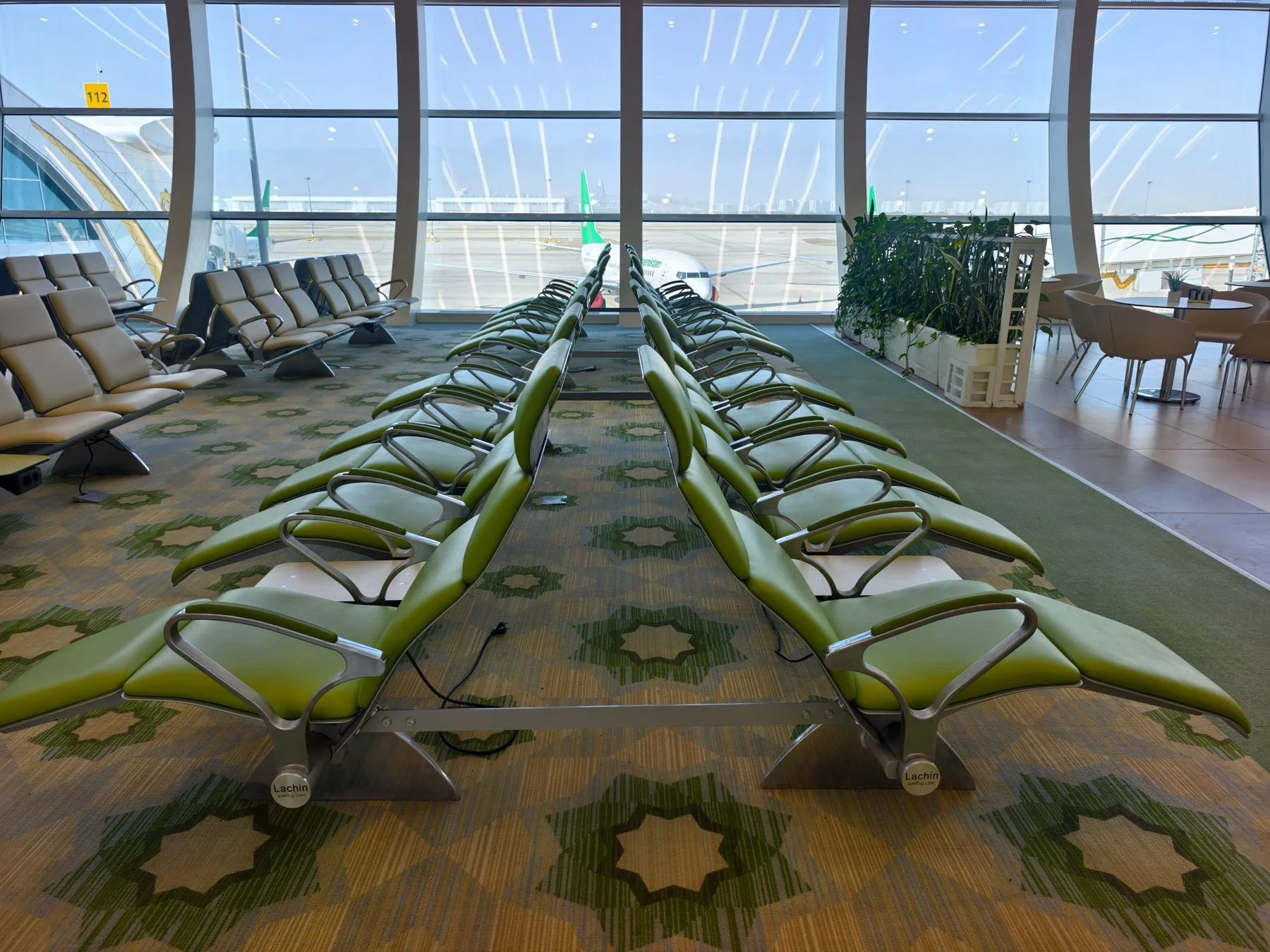
Premium economy makes the strongest case when its specific advantages match a long stretch of your journey. Buy that match deliberately. The cover is a general flight photograph, not evidence of a particular airline’s premium-economy cabin.
Sources checked November 2, 2026. Research-based editorial guidance; no hands-on product testing, affiliate links, or sponsored recommendations.