The first touch of a cashmere sweater can be persuasive. Before letting it settle the purchase, try to imagine the tenth wear: the fit you still enjoy, the care you are willing to give it, and the condition you expect for the price.
Cashmere can be a lovely wardrobe choice. The fiber name alone does not tell you whether a particular sweater is well made, suits your climate, or will become something you regularly wear.
Read the small label before the large description
The FTC’s cashmere-labeling guidance explains the specific fiber definition and labeling requirements. A blend should disclose its fiber percentages. Clothing labels also need care information. “Cashmere blend” in a headline is therefore only the beginning of the information you need.
Read the composition on the garment or product page. A blend is not automatically a poor choice, and pure cashmere is not automatically the right one. Decide what you want from the sweater, then compare the actual composition and care requirements.
If a seller uses terms such as grade, ply, or premium, ask what those terms mean for this item. Do not turn a single number into a universal quality ranking. A light knit and a substantial knit can be intended for different uses.
Inspect the garment, not just the fiber
Try it on over the layer you normally wear. Look at the shoulder position, sleeve length, neckline, and hem. Sit down and reach forward. A sweater that needs constant adjustment is unlikely to become an effortless favorite, however appealing it feels on a hanger.
In good light, examine the seams and areas around the cuffs and neckline. Look for loose threads, holes, uneven joining, and obvious distortions. These are observations you can make; they are not a substitute for laboratory fiber verification or long-term wear testing.
If buying online, ask for clear detail photographs and exact garment measurements. Compare those measurements with a sweater that fits you well. Size names alone are a weak basis for an expensive purchase.
Make care part of the decision
Read the actual care label before buying, rather than assuming every cashmere item can be treated the same way. Ask the retailer how it recommends storing the sweater and managing ordinary surface wear, and what conditions would qualify as a fault.
Avoid guarantees such as “will never pill” unless the seller is prepared to define and stand behind them. We have not tested the long-term performance of particular cashmere products, and a quick touch cannot predict years of use.
If the care routine sounds like a chore you will postpone, consider another knit you enjoy wearing. The value of a garment includes whether maintaining it fits your life.
What would justify a higher price?
We would look for a combination of an excellent fit, transparent composition, careful finishing, useful aftercare, and a design likely to remain in rotation. We would give less weight to packaging or a vague story about luxury.
A simple cost-per-wear calculation can help, provided you use realistic assumptions. A hypothetical $300 sweater worn sixty times costs $5 per wear before care costs. If worn six times, it costs $50 per wear. Neither figure predicts durability; it illustrates why your own use matters so much.
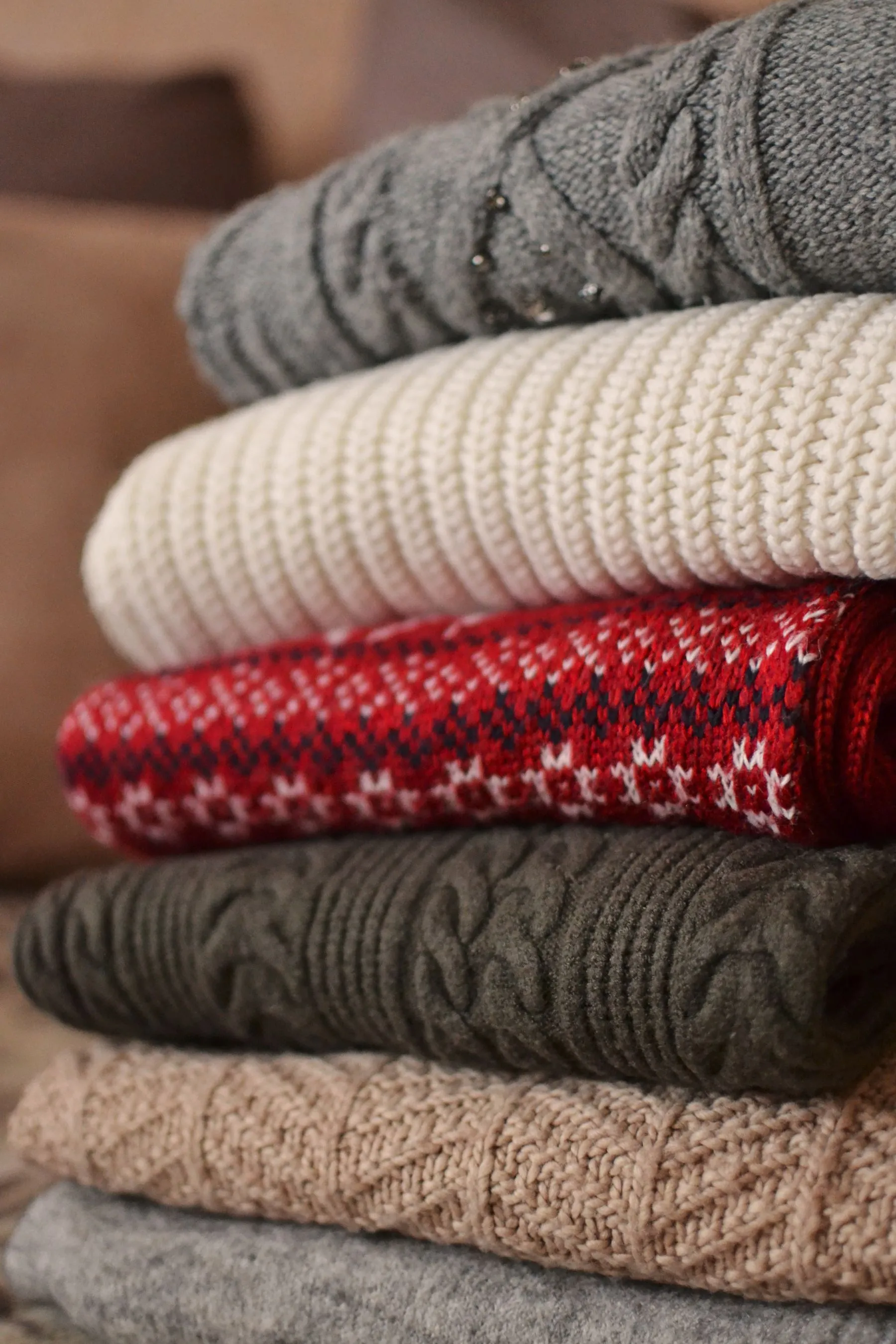
Read the return terms before removing tags or wearing the sweater beyond an allowed try-on. For lighter fabrics, our linen-versus-cotton guide applies the same principle: judge the finished garment, not only the material name. The cover shows knitwear; its fiber composition has not been verified.
Sources checked November 2, 2026. Research-based editorial guidance; no hands-on product testing, affiliate links, or sponsored recommendations.